Article · Industrial revolution · 1850–1957
Watches made by machine
For centuries, a watch was the work of many skilled hands. In the 1850s, a Boston watch repairer named Aaron Dennison decided that it could be the work of machines instead. The idea changed watchmaking forever.
A country without watchmakers
In the first half of the nineteenth century, the United States imported almost all its watches. A few American craftsmen made watches by hand, but they could not compete with the cheap and plentiful Swiss and English imports. The country had clockmakers, and in Connecticut makers such as Eli Terry had already begun to mass-produce wooden and then brass clocks. But watches were a different matter. Their parts were so small and so precise that making them by machine seemed impossible.
At the same time, American industry was developing something new. In the national armories at Springfield and Harpers Ferry, engineers had learned to make rifles with interchangeable parts, manufactured by machine to such precision that a part from one gun would fit any other gun of the same model. Europeans called this approach the American System of Manufacturing. It required large investment in special machines, gauges and jigs, but once in place it allowed enormous production with less skilled labor.
Dennison’s idea
Aaron Lufkin Dennison was a watch repairer in Boston, born in Maine in 1812. Handling hundreds of imported watches, he was struck by how poorly many of them were made, and how difficult they were to repair because no two parts were exactly alike. After visiting the Springfield Armory, he became convinced that the methods used for rifles could be applied to watches. A watch made of standard parts could be assembled quickly, repaired easily and sold cheaply.
In 1849 and 1850 Dennison found partners: Edward Howard, a clockmaker with a company in Roxbury, and Samuel Curtis and others who provided capital. Howard and Dennison began designing machines to make watch parts. It took years and a great deal of money. Their first watches, produced in the early 1850s, were marked with names such as Warren and Samuel Curtis, and later Howard, Davis and Dennison.
To Waltham
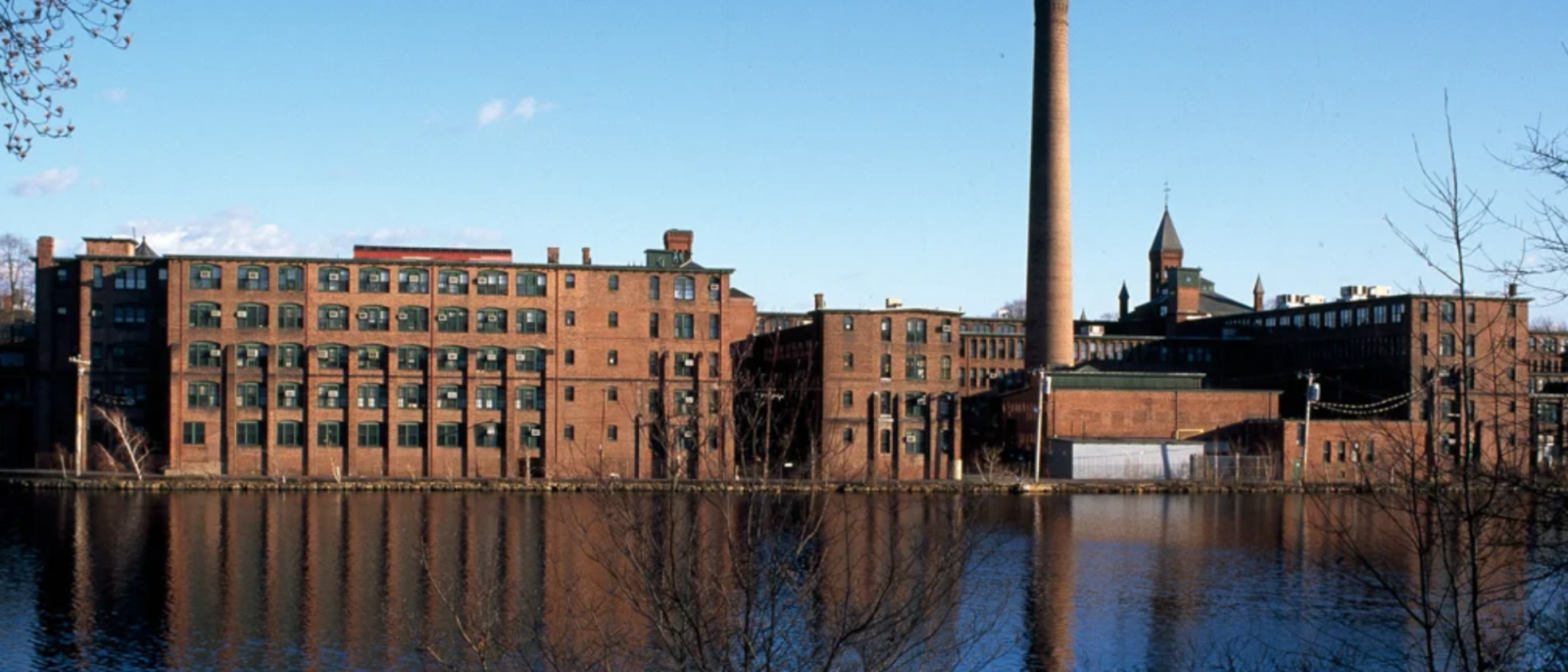
In 1854, needing a cleaner and quieter environment, the company moved to a new factory beside the Charles River in Waltham, a town west of Boston. The site would give its name to the company and to one of the most famous brands in American history. The early years were difficult. The business failed in the financial panic of 1857 and was bought at auction by Royal E. Robbins, a New York businessman, who reorganized it and gave it the stable management it needed. Under Robbins, the company, eventually known as the American Waltham Watch Company, became a great success.