Index
Articles
Feature articles from this wiki.
1969: The Race for the Automatic Chronograph
In 1969, three rival teams in Switzerland and Japan raced to launch the first self-winding chronograph. All three claim to have won.
Read the entry →1972: The Royal Oak and the Luxury Sports Watch
A watch sketched overnight, made of steel and priced like gold. Audemars Piguet’s Royal Oak of 1972 created the luxury sports watch.
Read the entry →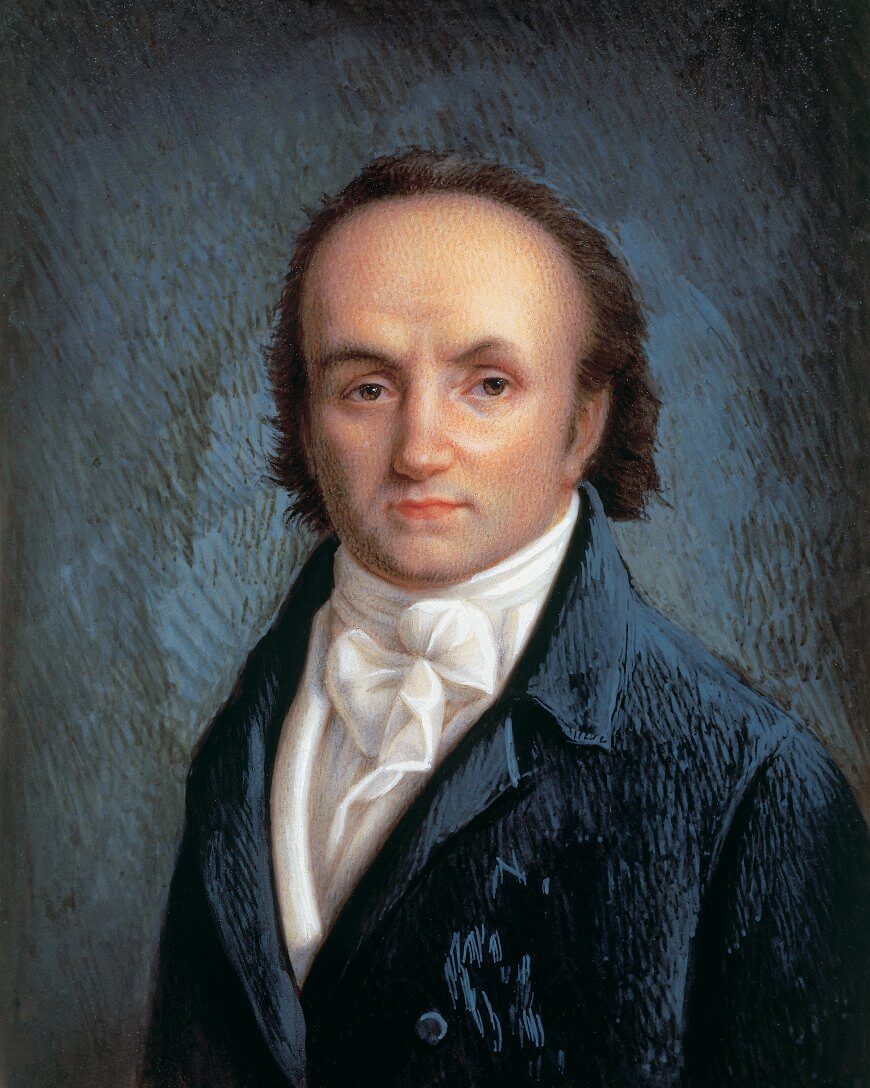
Abraham-Louis Breguet
The Swiss-born genius of Paris who invented the tourbillon, refined the self-winding watch and served queens, emperors and admirals.
Read the entry →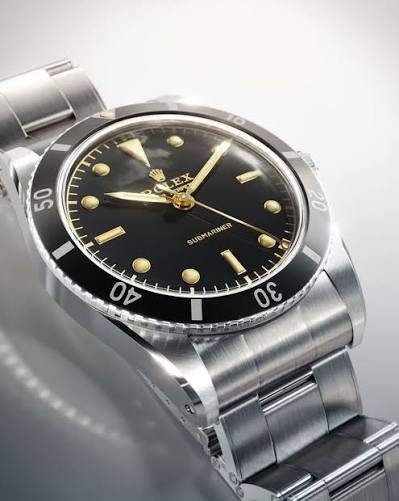
Before the Submariner: The First Divers’ Watches
Long before the classic dive watches of 1953, watchmakers, naturalists and naval engineers were taking wristwatches underwater. This is their story.
Read the entry →Comex and the Helium Escape Valve
Divers living for weeks under pressure found that their watch crystals popped off as they decompressed. The cause was helium, and the cure was a tiny valve.
Read the entry →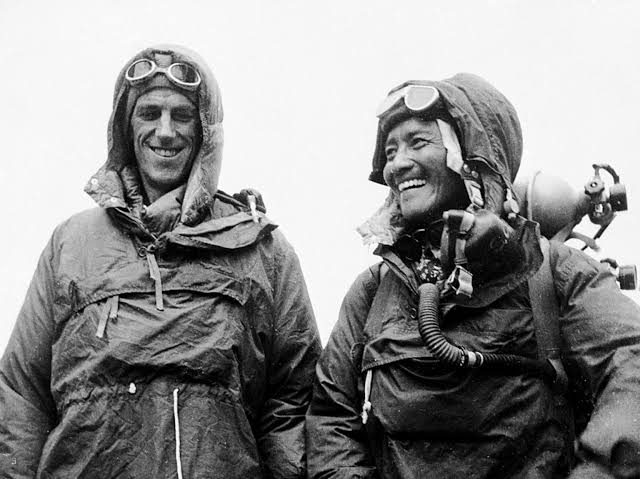
Everest 1953 and the Explorer
Hillary and Tenzing reached the summit of Everest on 29 May 1953. Which watches went with them is still debated, and the story launched a classic.
Read the entry →
Fifty Fathoms and the Modern Dive Watch
Two French naval officers wrote a list of what a combat diver’s watch must do. A Swiss executive who dived himself built it, and the modern dive watch was born.
Read the entry →
Geneva, Calvin and the Birth of Swiss Watchmaking
How a ban on jewelry, a wave of Protestant refugees and the world's first watchmakers' guild turned Geneva into the capital of fine watchmaking.
Read the entry →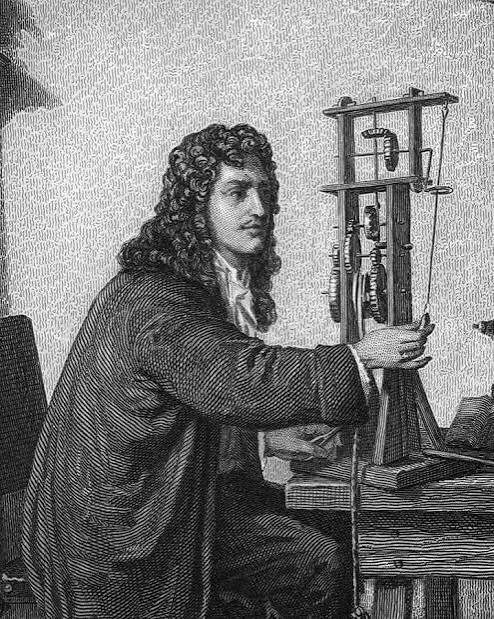
Huygens, Hooke and the Balance Spring
In 1675 a tiny coiled spring made watches ten times more accurate, and started one of the bitterest priority quarrels in the history of science.
Read the entry →James Bond and the Watch on Screen
From a Submariner in 1962 to a Seamaster in 1995, the watches worn by James Bond reflect sixty years of cinema, gadgets and changing tastes.
Read the entry →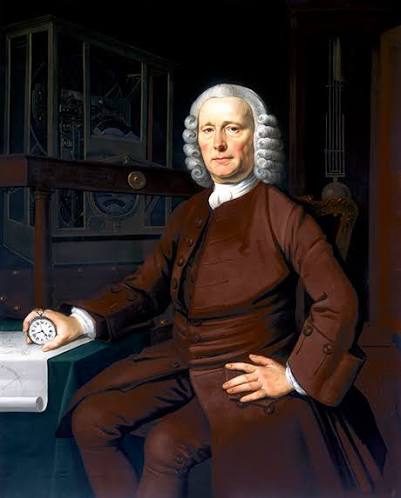
John Harrison and the Longitude Problem
A self-taught Yorkshire carpenter spent forty years building the clocks that let ships find their position at sea, then fought for his prize.
Read the entry →Kintaro Hattori and the Great Kanto Earthquake
A Tokyo shopkeeper built Japan’s watch industry from nothing. In 1923 an earthquake destroyed his factory, and the way he rebuilt it shaped Seiko.
Read the entry →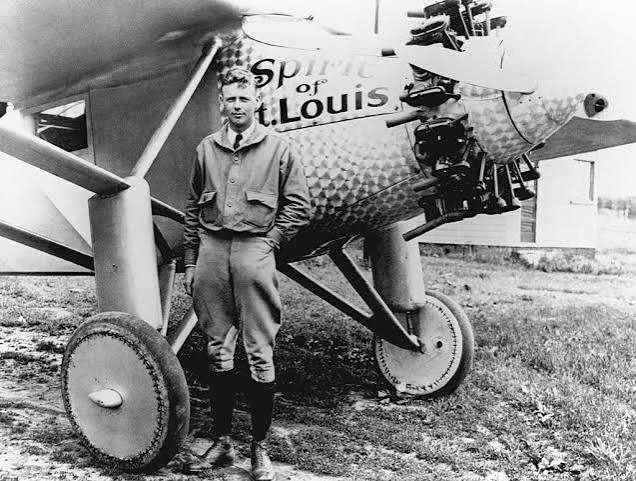
Lindbergh and the Hour Angle Watch
After flying the Atlantic alone in 1927, Charles Lindbergh helped design a watch that let pilots find their position from the stars.
Read the entry →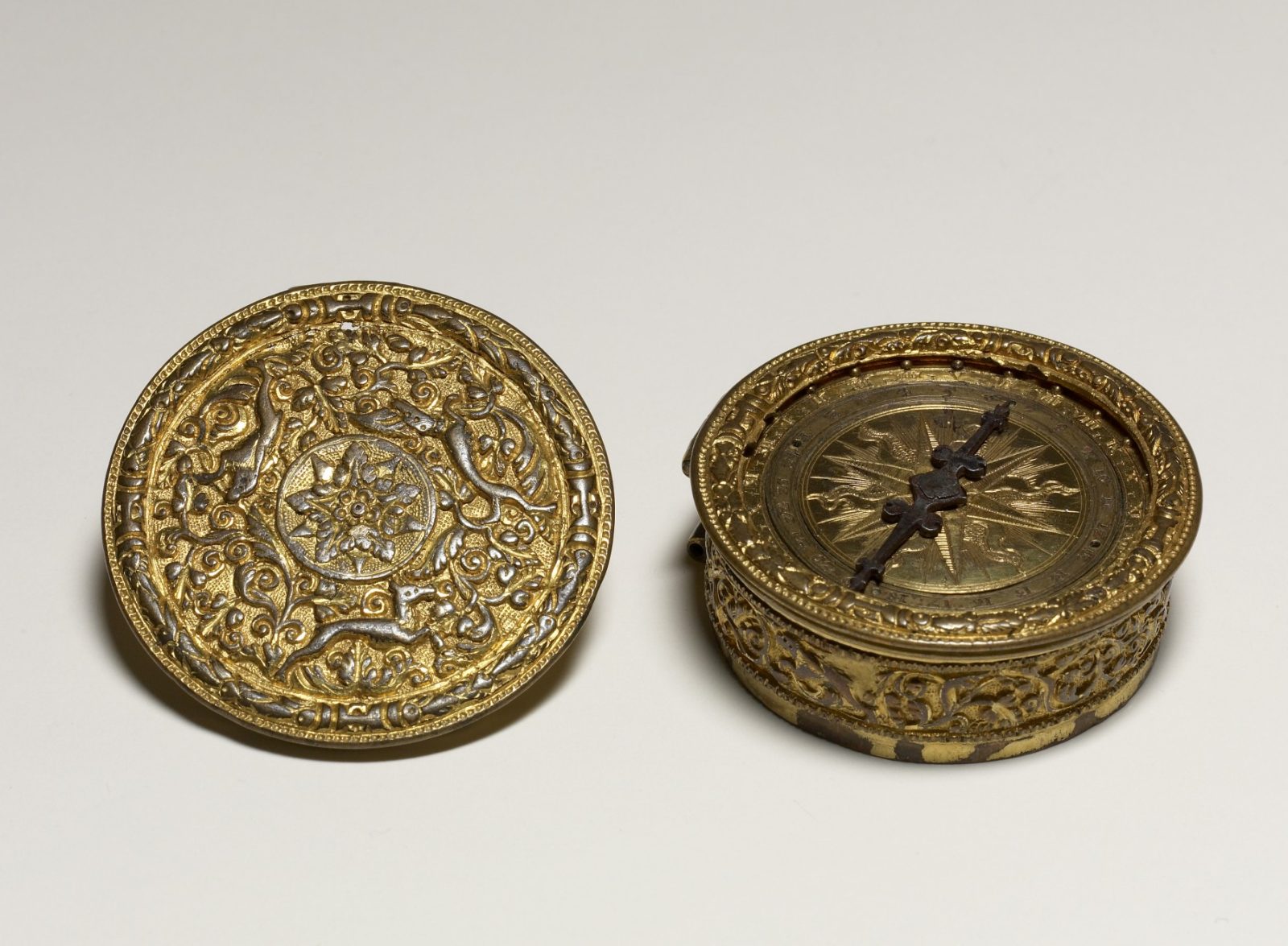
Nuremberg and the First Portable Clocks
How locksmiths in sixteenth-century Nuremberg shrank the tower clock into something a person could carry, and started the story of the watch.
Read the entry →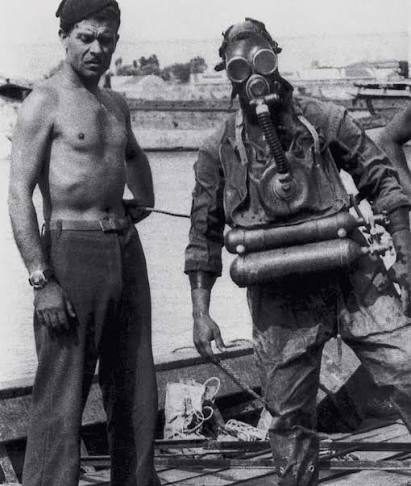
Panerai and the Italian Frogmen
A Florentine instrument maker supplied the glowing watches worn by Italian naval commandos in the Second World War. Decades later, those watches became a cult.
Read the entry →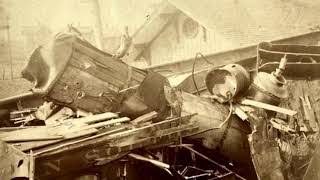
Railroad Time and the Kipton Wreck
A stopped watch, a collision in Ohio in 1891 and the strict rules that followed. How railways made the pocket watch a precision instrument.
Read the entry →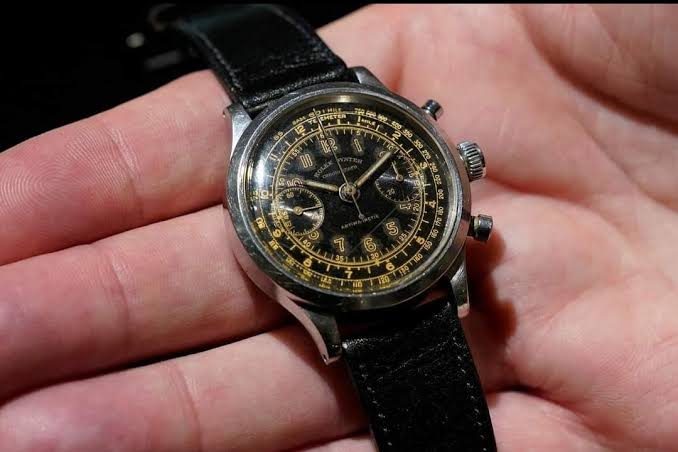
Rolex and the Prisoners of War
During the Second World War, Hans Wilsdorf sent Rolex watches to Allied officers in German prison camps, to be paid for only after the war.
Read the entry →Seiko at the Observatory Trials
In the 1960s Seiko timed the Tokyo Olympics and sent its best movements to the Swiss observatory contests. Within a few years, it was near the top.
Read the entry →Soviet Watchmaking and Gagarin’s Watch
The Soviet Union bought an entire American watch factory in 1929, built one of the largest watch industries in the world and sent a watch into space in 1961.
Read the entry →The Accutron and the Tuning-Fork Watch
In 1960, Bulova launched a watch that hummed instead of ticked. Its tiny tuning fork made it the most accurate wristwatch in the world, and it went to space.
Read the entry →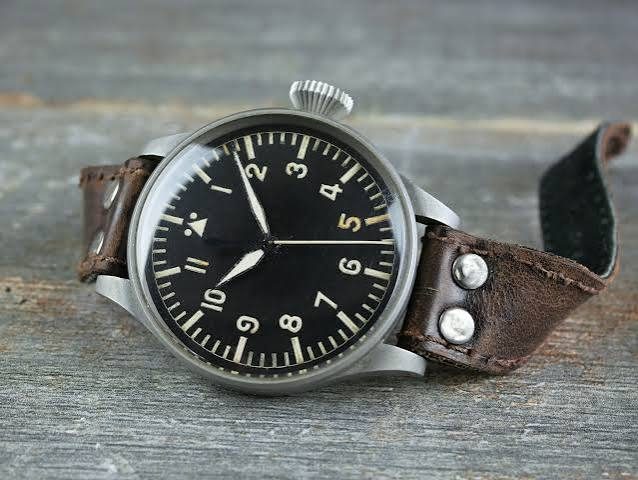
The B-Uhr: Observation Watches of the Air War
Huge, precise and brutally legible, the navigator’s watches built for German bomber crews in the Second World War became the template of the pilot’s watch.
Read the entry →The Deep Sea Special and the Trieste
On 23 January 1960, the bathyscaphe Trieste reached the deepest point of the ocean. Strapped to its hull was an experimental Rolex, and it came back running.
Read the entry →The Digital Watch: From Pulsar to G-Shock
Red LEDs in 1972, liquid crystals in 1973, calculator watches and a watch you could drop from a building: the short, wild history of the digital watch.
Read the entry →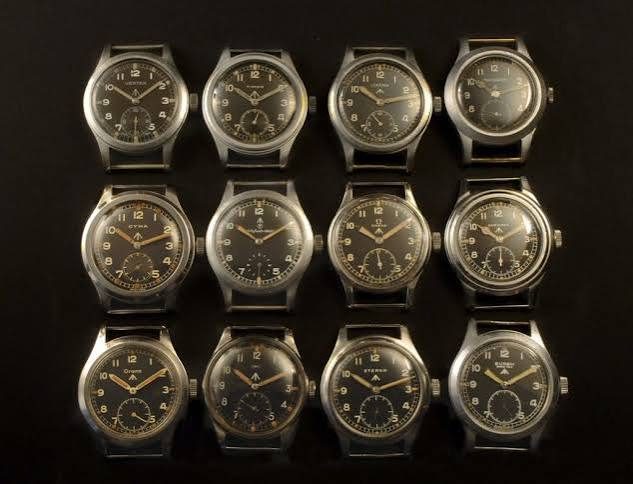
The Dirty Dozen
In 1944 the British Army ordered a standard wristwatch from twelve Swiss makers. Collectors later named them the Dirty Dozen and set out to own all twelve.
Read the entry →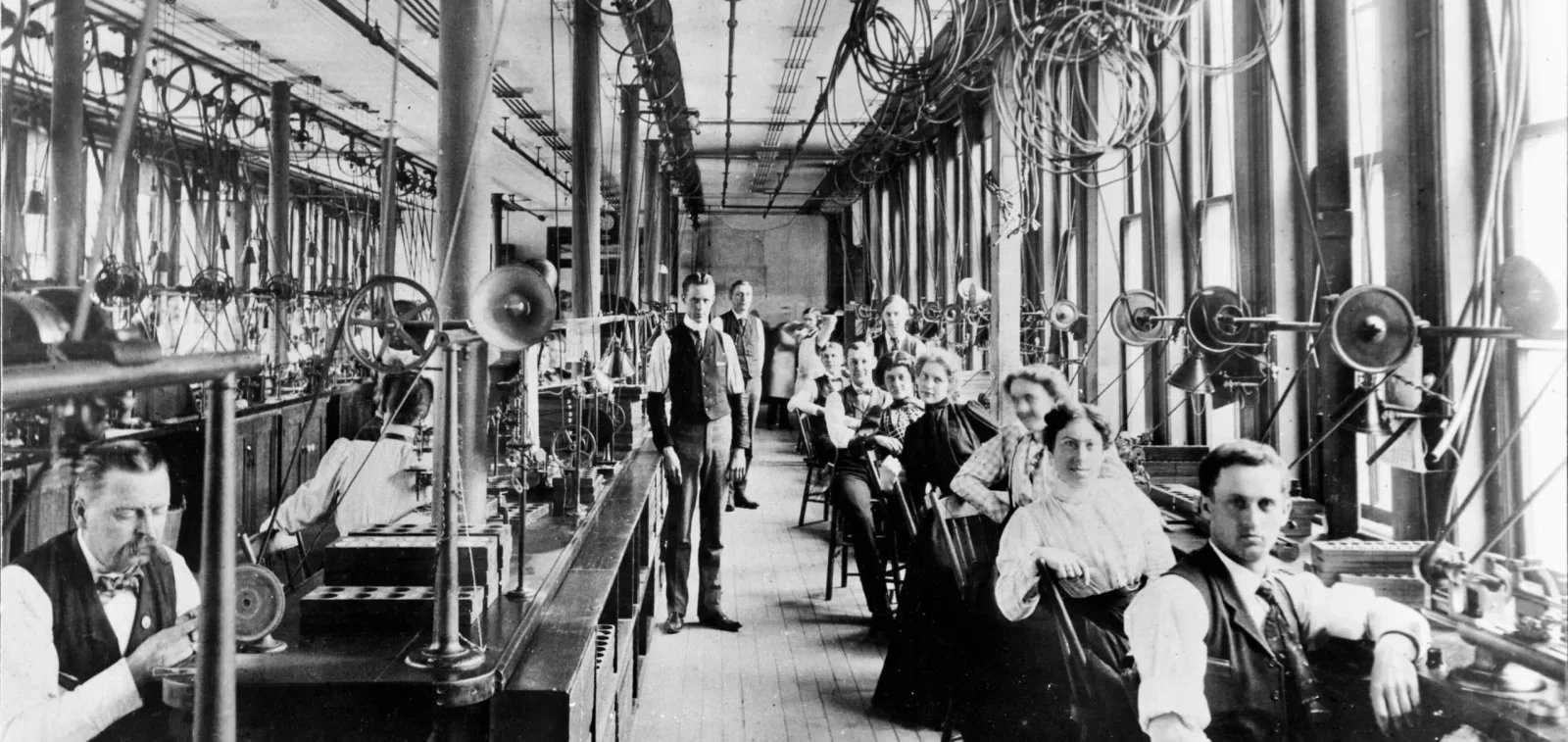
The Dollar Watch
How a Swiss idealist, a Connecticut clock factory and two brothers from Michigan turned the watch from a luxury into something anyone could afford.
Read the entry →
The Farmer-Watchmakers of the Jura
Long winters, isolated valleys and a legend about a broken English watch: how the Jura mountains became the workshop of the world’s watch industry.
Read the entry →
The Geneva Seal and the Swiss Made Label
Two small marks, one created by a canton in 1886 and one written into federal law in 1971, that tell the story of how Swiss watchmaking protected its name.
Read the entry →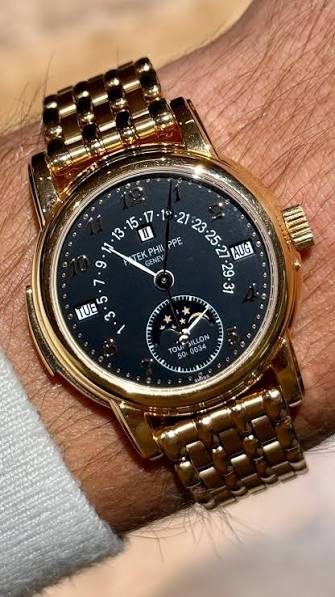
The Graves Supercomplication
A New York banker ordered the most complicated watch in the world from Patek Philippe. Delivered in 1933, it held that title for more than half a century.
Read the entry →The Hamilton Electric and the First Battery Watch
In January 1957, an American company launched the first wristwatch powered by a battery. It looked like the future, and in a way it was.
Read the entry →The History of the Self-Winding Watch
From Perrelet’s perpétuelles to Harwood’s bumper and Rolex’s rotor: two centuries of trying to make a watch wind itself from the motion of its wearer.
Read the entry →The Man Who Hid the El Primero
Told to scrap the tools of Zenith’s great chronograph in the 1970s, engineer Charles Vermot hid them in an attic. A decade later they saved it.
Read the entry →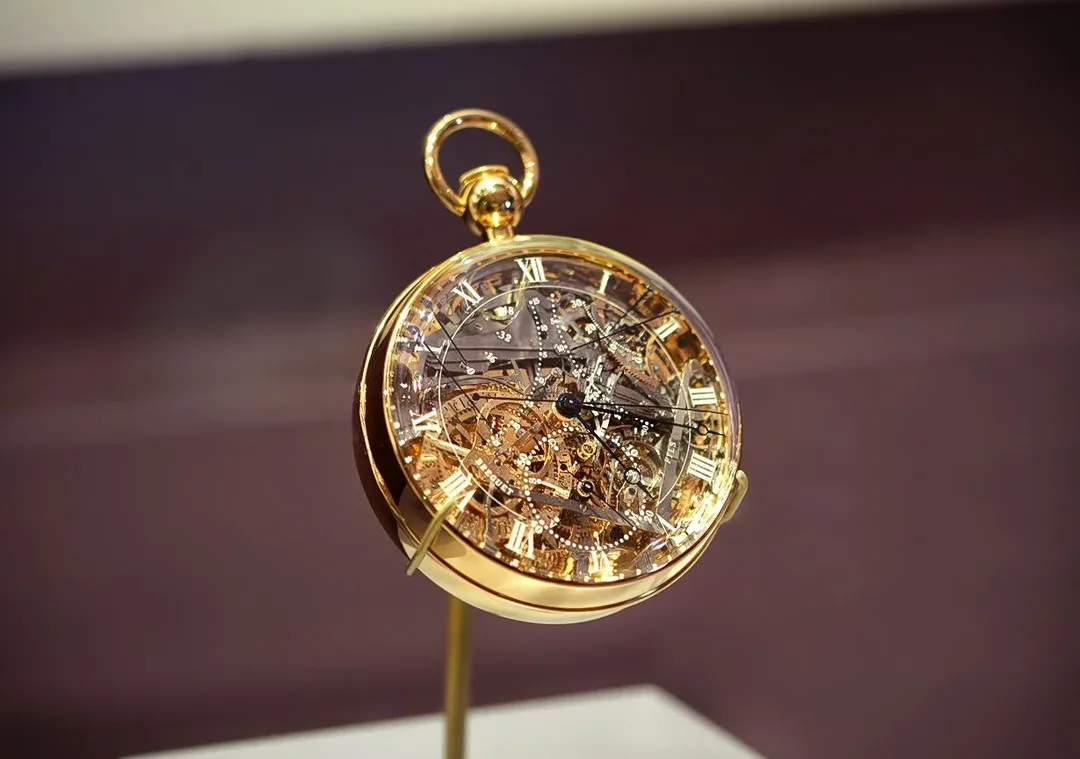
The Marie Antoinette Watch
Ordered for a queen in 1783, finished 44 years later, stolen from a Jerusalem museum in 1983 and recovered in 2007: the story of Breguet No. 160.
Read the entry →The Mechanical Renaissance
A forgotten brand bought for a song, a family reunited after the Berlin Wall fell and a few independent craftsmen: how the mechanical watch came back.
Read the entry →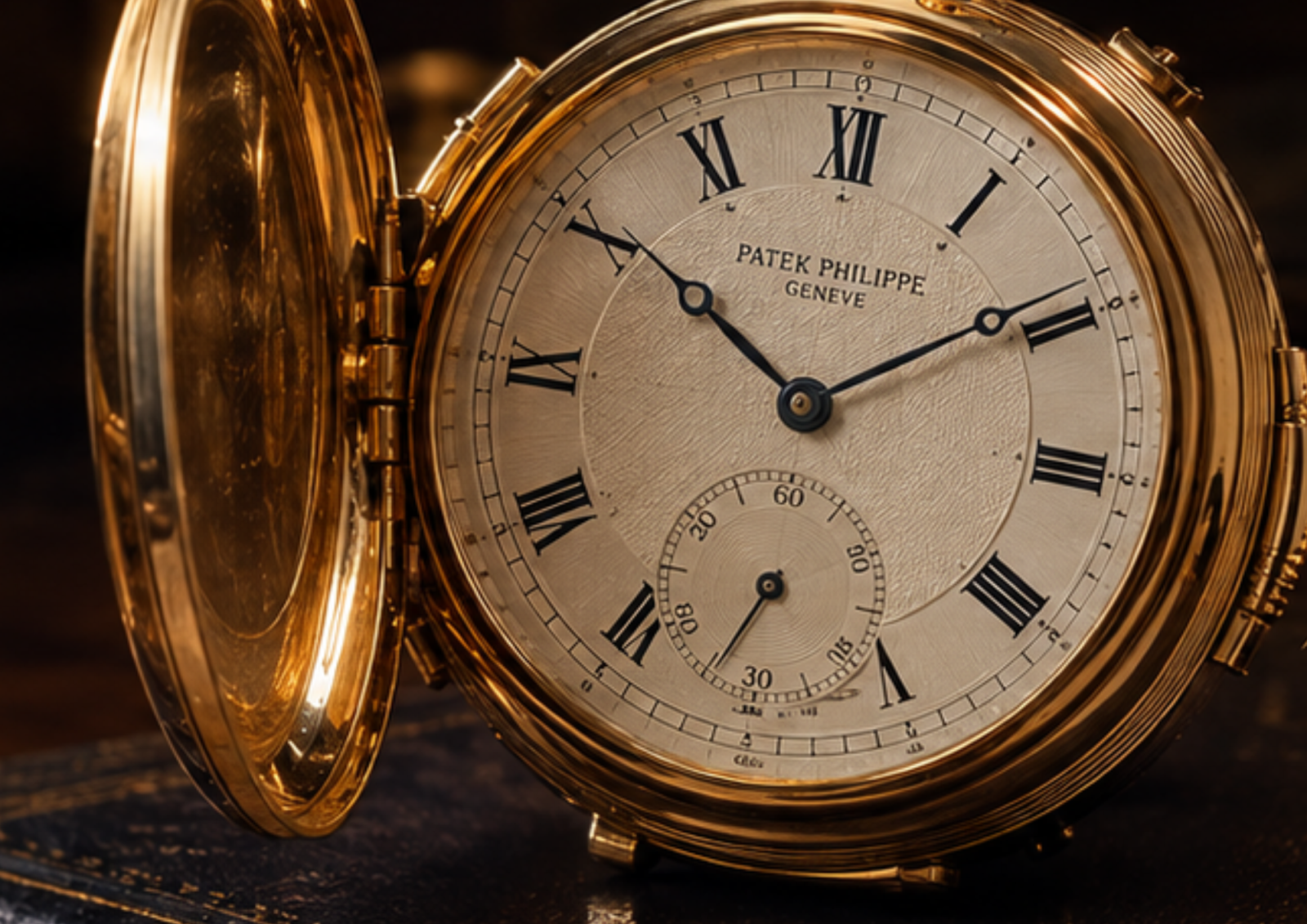
The Minute Repeater
Before electric light, a watch that chimed the time on demand was a necessity for the rich. Today the minute repeater is the most revered of complications.
Read the entry →The NASA Tests of 1965
In 1965 NASA tortured three chronographs with heat, cold, vacuum and shocks to choose a watch for its astronauts. One survived, and went on to the Moon.
Read the entry →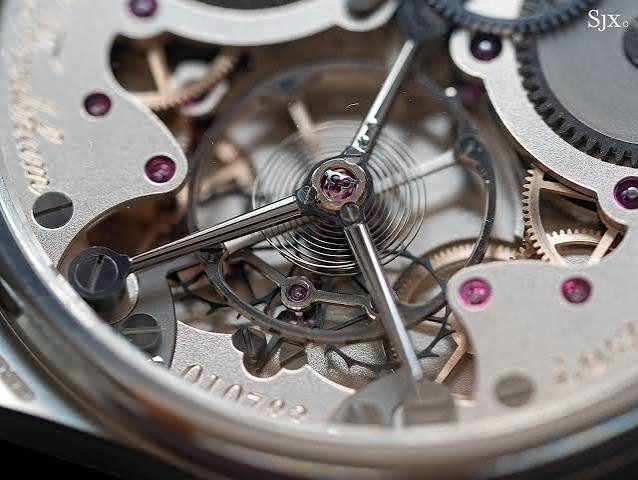
The Observatory Chronometer Trials
For a century, the world’s best watchmakers sent their finest movements to astronomical observatories to be tested and ranked. The results made reputations.
Read the entry →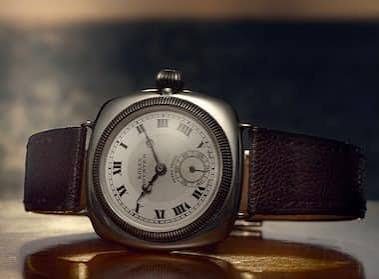
The Oyster and Mercedes Gleitze
In 1926 Rolex patented a truly waterproof case. A year later, a London typist swam with one in the English Channel, and advertising history was made.
Read the entry →The Paul Newman Daytona and the Auction Age
A gift from Joanne Woodward, engraved Drive Carefully Me, sold for 17.8 million dollars in 2017. How watches became one of the great auction markets.
Read the entry →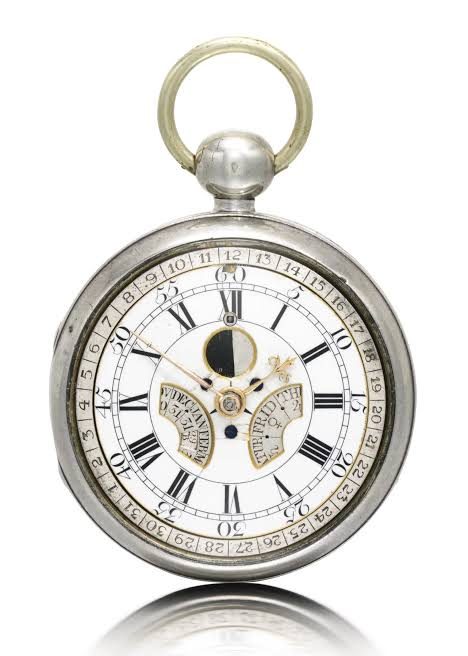
The Perpetual Calendar
A mechanical memory that knows how many days are in every month and when leap years fall. Its history runs from Thomas Mudge in 1762 to today’s wristwatches.
Read the entry →The Quartz Crisis
In December 1969, Seiko sold the first quartz wristwatch. Within fifteen years, the Swiss watch industry had lost two-thirds of its jobs.
Read the entry →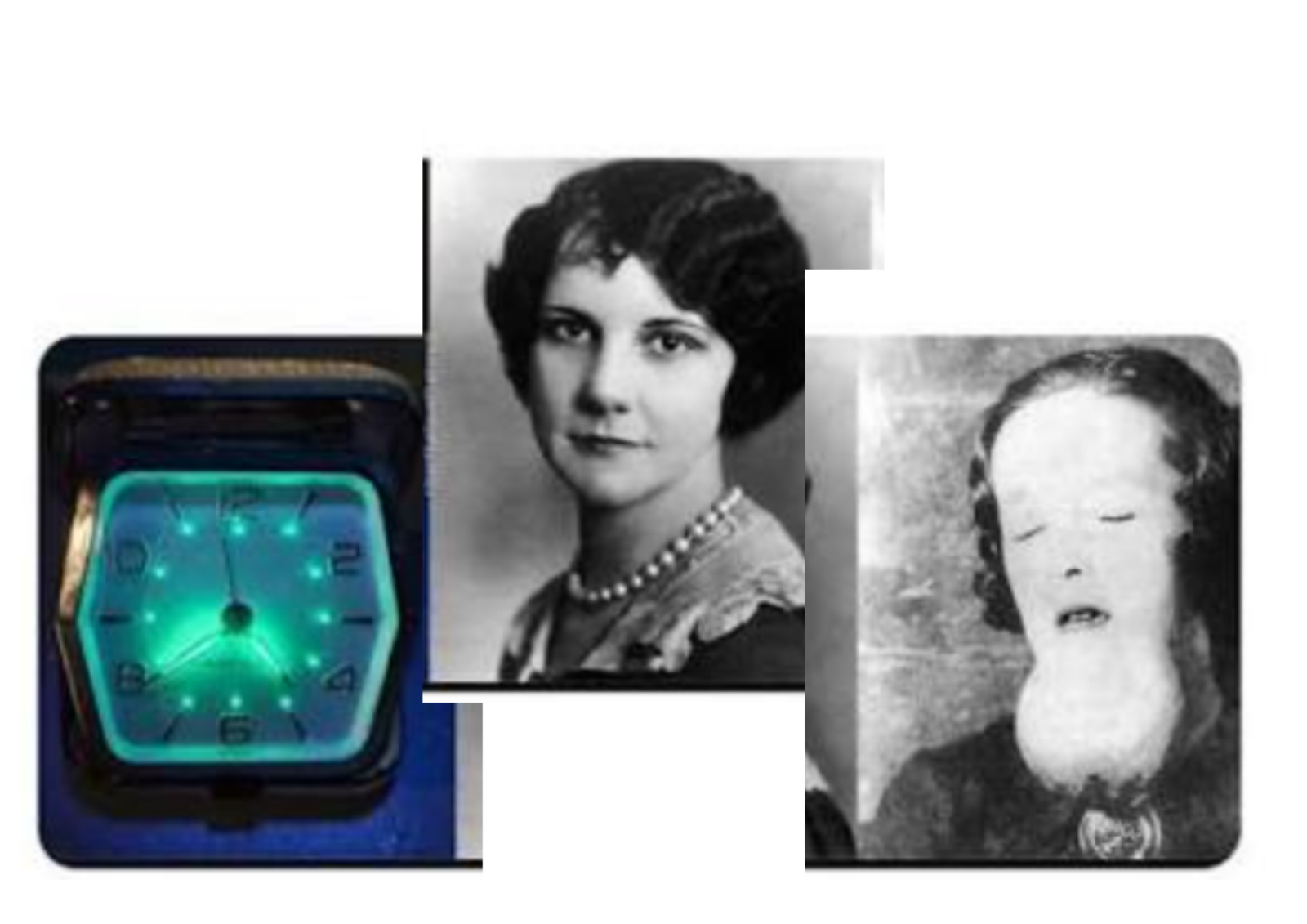
The Radium Girls and the Glowing Dial
Luminous watch dials helped soldiers see in the dark. The young women who painted them paid with their lives, and their fight changed workplace law.
Read the entry →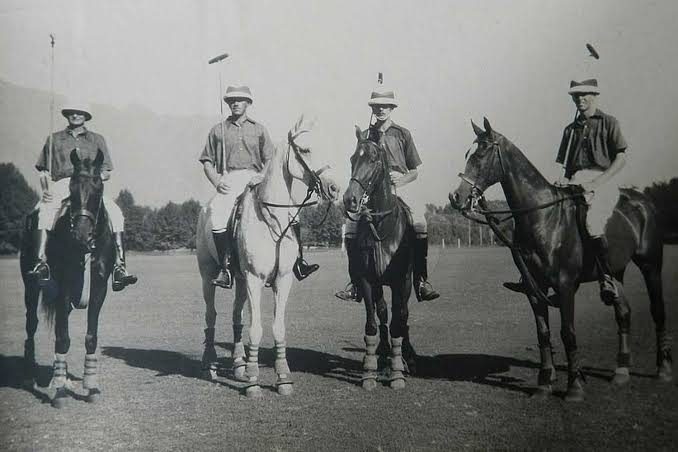
The Reverso and the Polo Fields of India
British officers kept breaking their watch crystals playing polo. The solution, patented in 1931, was a watch that could turn its face to the wall.
Read the entry →The Swatch and the Swiss Revival
In 1983, a plastic watch with just 51 parts came out of a Swiss factory and helped rescue an industry that quartz had nearly destroyed.
Read the entry →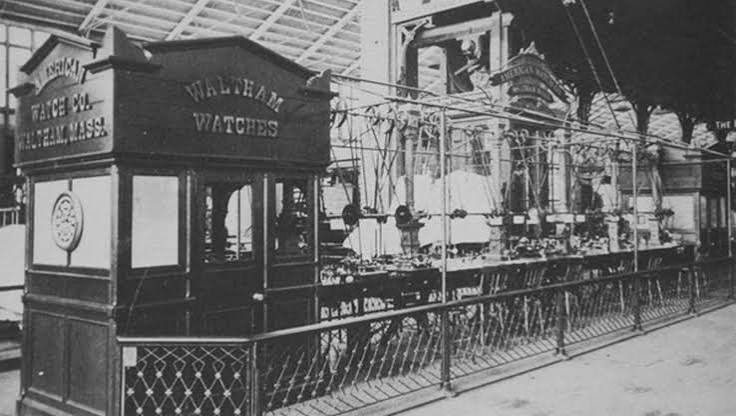
The Swiss Watch Statute
How a crisis in the 1920s and 1930s led Switzerland to organize its watch industry into cartels and permits, and why that system ended in 1971.
Read the entry →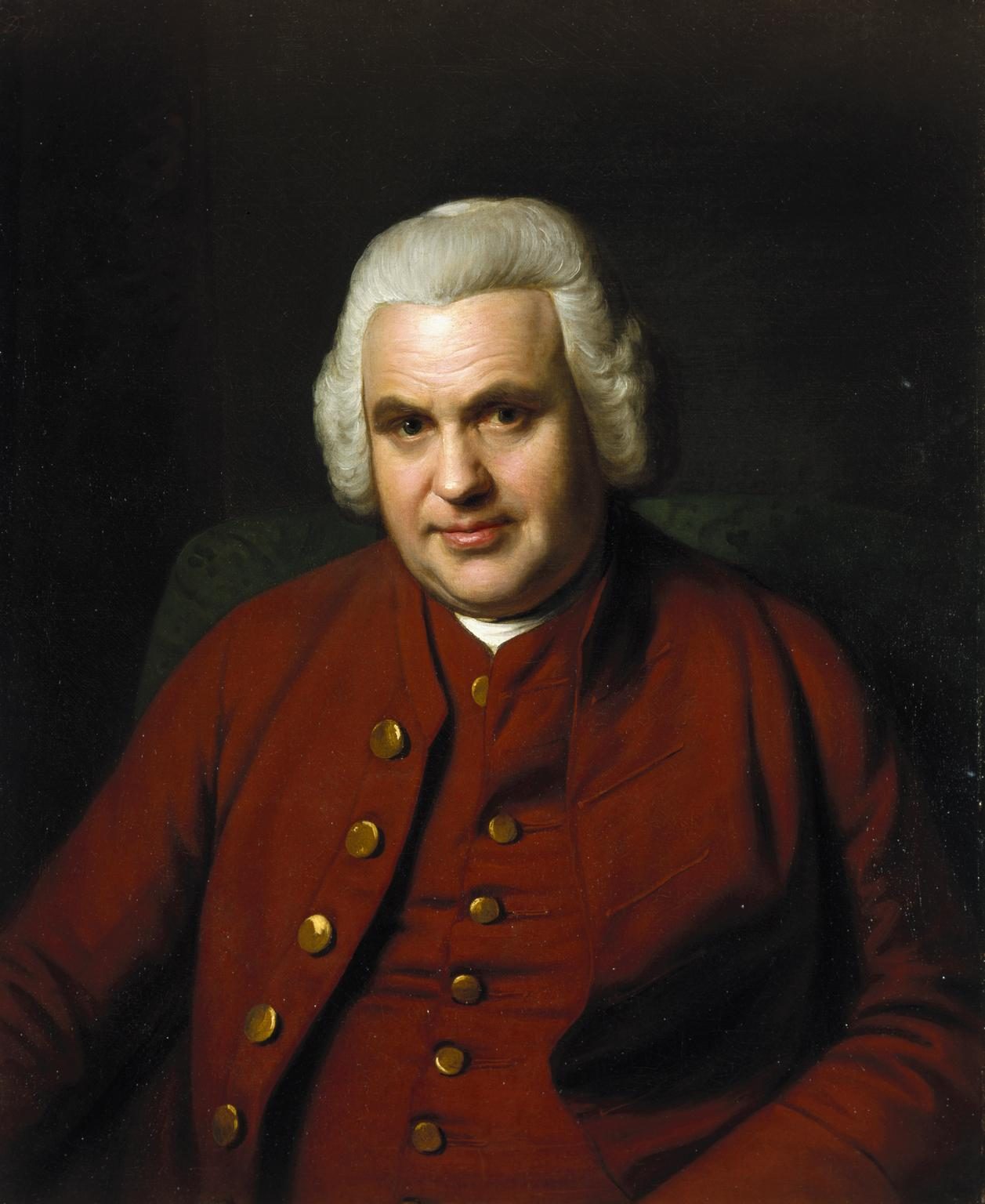
Thomas Mudge and the Lever Escapement
LondonThe London watchmaker who invented the lever escapement in the 1750s never saw it adopted. A century later it was inside almost every watch in the world.
Read the entry →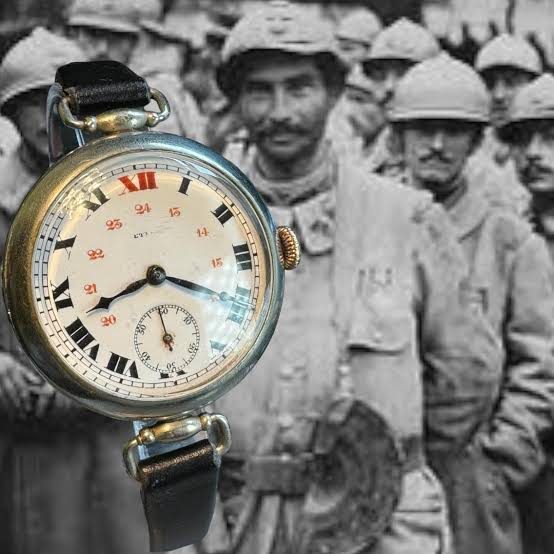
Trench Watches of the Great War
How the First World War, with its synchronized barrages and night attacks, turned the wristwatch from a lady’s jewel into a man’s essential tool.
Read the entry →Tudor and the British North Greenland Expedition
From 1952 to 1954, British scientists spent two winters on the Greenland ice cap, wearing watches from a young brand built to offer Rolex quality for less.
Read the entry →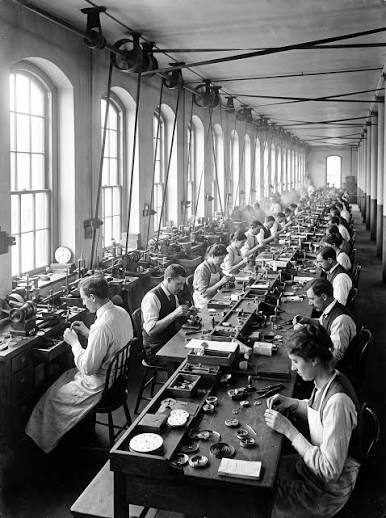
Waltham and the American System of Watchmaking
In Massachusetts in the 1850s, a group of entrepreneurs set out to make watches by machine. Their success shook the Swiss industry to its foundations.
Read the entry →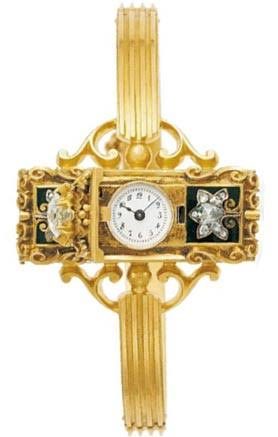
Who Invented the Wristwatch?
A queen’s bracelet, a Hungarian countess, naval officers, a Brazilian aviator and a German salesman in London: the many beginnings of the watch on the wrist.
Read the entry →World Time and the GMT Watch
Once the world was divided into time zones, travelers needed watches that could show more than one. A Geneva watchmaker and an airline showed the way.
Read the entry →