Article · The wristwatch · 1571–1914
From the pocket to the wrist
Ask who invented the wristwatch and you will get half a dozen answers, each with a date, a name and a story. The truth is that the wristwatch was not invented once. It was adopted, step by step, by people who needed time at a glance.
A question with many answers
The question seems simple. Somebody must have been the first to strap a watch to a wrist. But as soon as historians look at the evidence, the answer dissolves into a series of firsts, each defined differently. The first timepiece worn on the arm? The first watch designed specifically for the wrist? The first one sold commercially? The first for men? The first produced in series? Each question has a different answer, and many of them are disputed.
What is clear is that, for most of the history of the watch, wearing one on the wrist was unusual. From the sixteenth century to the early twentieth, the normal place for a watch was a chain around the neck, a belt or, from the late seventeenth century, a waistcoat pocket. Watches were too large, too fragile and too valuable to expose to the knocks and dirt of the wrist. And for men, a bracelet was a woman’s ornament.
Jewelry first
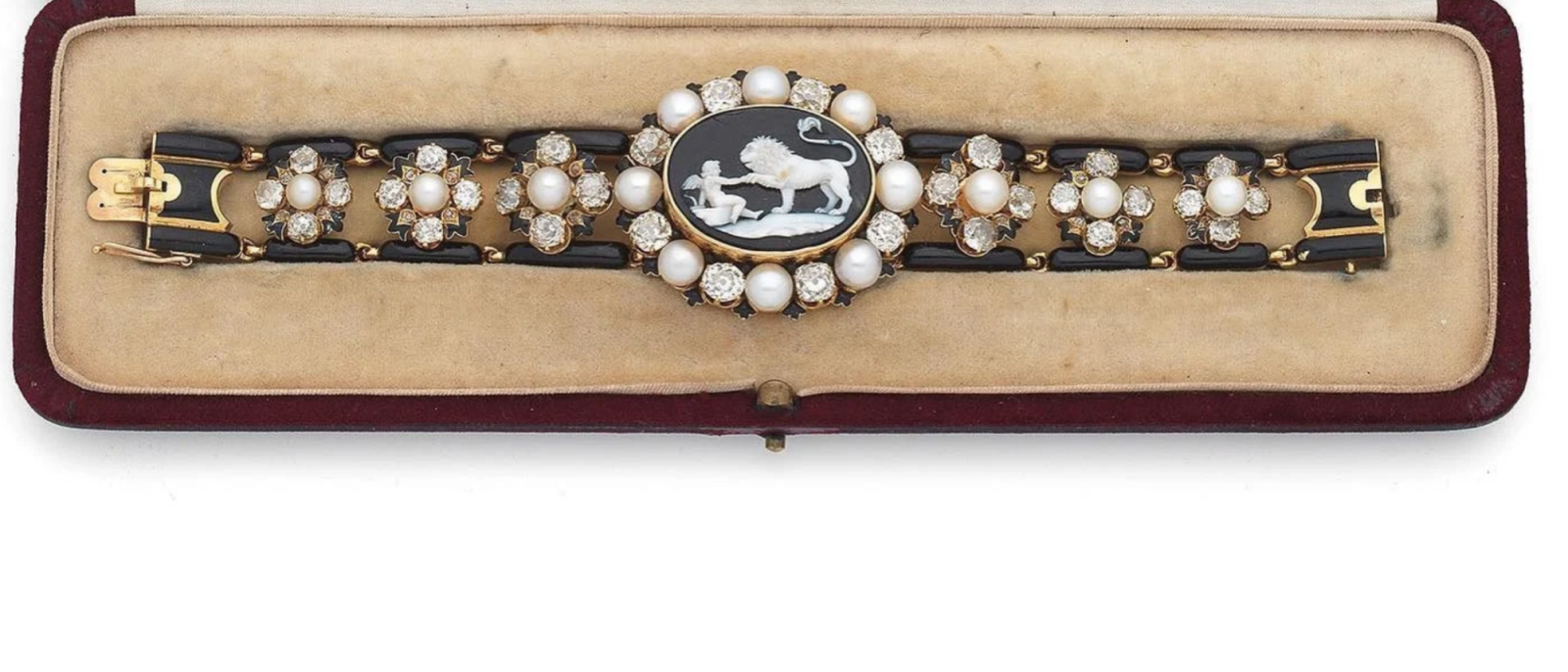
The earliest wrist-worn timepieces were not tools but jewels. They were made for women of the highest rank, combining a tiny watch with a bracelet of gold, pearls or precious stones. Their purpose was decoration as much as timekeeping. For centuries, a watch on the wrist remained a feminine luxury, and the men who would later make the wristwatch universal wanted nothing to do with it.
Then necessity
The change came from necessity. In the late nineteenth century, soldiers, sailors, cyclists, motorists and aviators began to need to know the time while their hands were busy. Pulling a watch from a pocket while holding a horse’s reins, a rifle, a steering wheel or the controls of an aircraft was impractical or dangerous. A watch on the wrist could be read at a glance. Practical men began to strap pocket watches to their wrists in leather cups, and manufacturers began to make watches for the purpose.
A long transition
It took decades for the wristwatch to become accepted for men, and the First World War was the decisive moment, as told in the following chapter of this volume. But the road that led there passed through royal courts, Swiss workshops, military campaigns and the first flights of the aviation age. This chapter follows that road.