Articles · Who Invented the Wristwatch?WatchShop Wiki
Wristwatch · chapter 6
Five facts about early wristwatches
- 1Wire lugsEarly men’s wristwatches were often converted pocket watches with thin wire loops soldered to the case to take a strap.
- 2The crown at twelveSome early wristwatches kept the crown at twelve o’clock, like a pocket watch, before makers moved it to three for comfort.
- 3Mockery in printNewspapers and humorous magazines of the 1900s often made fun of men who wore wristwatches.
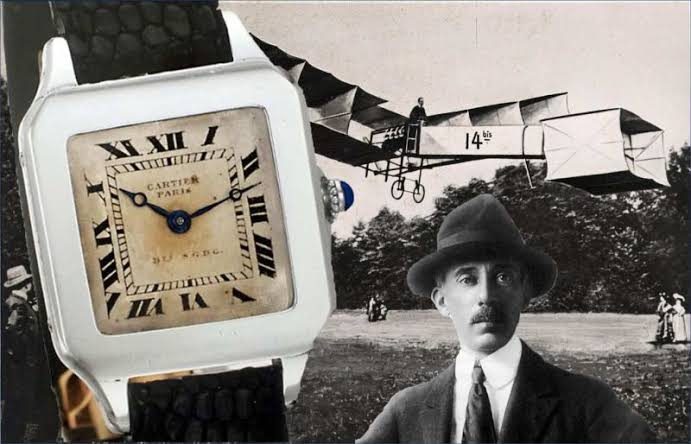
- 4Santos still madeCartier still produces the Santos, more than a century after the first one was made for the aviator.
- 5A London beginningRolex was founded in London in 1905 as Wilsdorf and Davis and moved to Switzerland after the First World War.
Comparison
Pocket watch vs early wristwatch
- Typical owner before 1914
- Pocket: every man of means; wrist: women
- Protection
- Pocket: case and lid; wrist: exposed
- Reading the time
- Pocket: both hands; wrist: a glance
- Accuracy
- Pocket: generally better until the 1920s
Why it matters
The wristwatch was invented many times, by many people, until the world finally accepted it.
The wristwatch is so familiar today that it is hard to imagine a time when it seemed strange. Its history shows how technology and culture interact. The idea was available for centuries, but it took practical needs, new materials, military experience and the endorsement of celebrities to make it acceptable.
Many of the brands in this wiki, among them Cartier, Rolex, Omega and Longines, played a role in that story. Their early wristwatches are now among the most collectible of all, valued as witnesses to the moment when time moved from the pocket to the wrist.
Who Invented the Wristwatch? · Legacy6