Articles · The Minute RepeaterWatchShop Wiki
Minute repeater · chapter 8
Five facts about repeaters
- 1Never force itOperating the repeater slide too quickly or while it is already striking can damage the mechanism. Owners are taught to push it smoothly and wait.
- 2Tuned by earWatchmakers file gongs by hand to tune their pitch and the harmony between the two notes.
- 3Silence is goldenA silent centrifugal governor is a sign of a fine repeater, because the buzz of an older anchor governor intrudes on the chime.
- 4For the blindRepeaters were valued by blind people long before tactile watches became common.
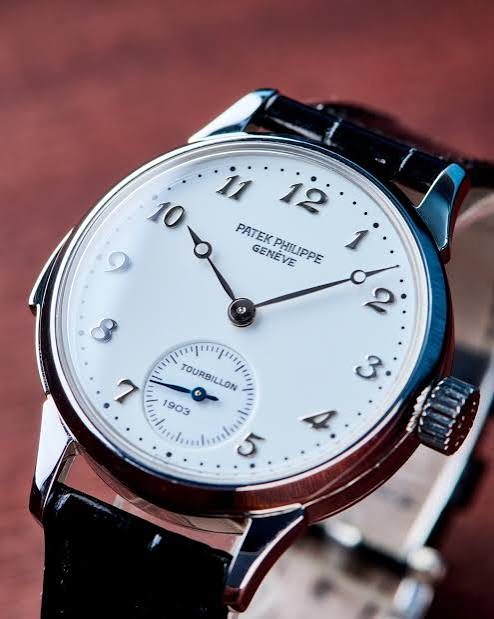
- 5The president listensAt Patek Philippe, every minute repeater is listened to by the company’s president before it is delivered.
How it chimes
10:23 on a minute repeater
- Hours
- 10 low notes
- Quarters
- 1 double note (one quarter past)
- Minutes
- 8 high notes (8 minutes past the quarter)
- Duration
- about 15 to 20 seconds
Why it matters
The minute repeater gave the watch a voice, and once heard, it is never forgotten.
The minute repeater began as a practical solution to the darkness of the night. It has become something else: a celebration of craftsmanship, sound and mechanical ingenuity. Its continued existence, long after its practical purpose has passed, says something about why people love mechanical watches.
To hear a fine repeater strike in a quiet room is to understand that a watch can be more than a tool. It can be an instrument, in every sense of the word.
The Minute Repeater · Legacy8